
Financial Dependence and Inheritance
The Murder of Roger AckroydThis flow traces the way money governs the choices and suspicions of the Ackroyd household and village.
increasing Bearing strength in each event
 decreasing
Bearing strength in each eventdecreasingAckroyd’s Wealth and Control

Ackroyd’s Wealth and Control
A powerful benefactor
Roger Ackroyd’s fortune supports his household and makes him a central authority at Fernly. His habits of scrutinizing small expenses create resentment among dependents.
Money shapes relationships
Ralph, Flora, and Mrs. Cecil Ackroyd all have reasons to care about his decisions. Affection and financial dependence become difficult to distinguish.
Ralph’s Debts
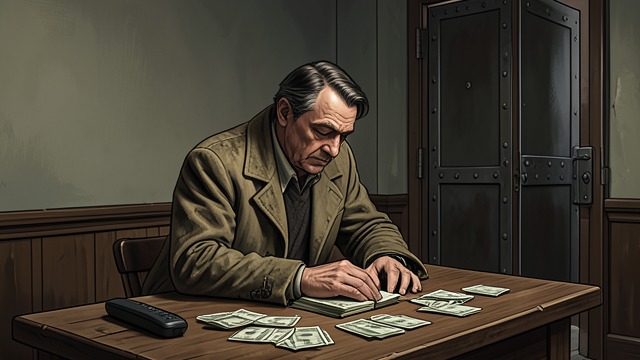
Ralph’s Debts
An heir in difficulty
Ralph’s spending leaves him chronically short of money. Ackroyd’s threat to alter his will gives the debts an apparent connection to murder.
Suspicion takes hold
The same financial history helps Inspector Raglan construct a motive. Yet Ralph’s desperation also makes him vulnerable to another person’s control and concealment.
Flora’s Constrained Life
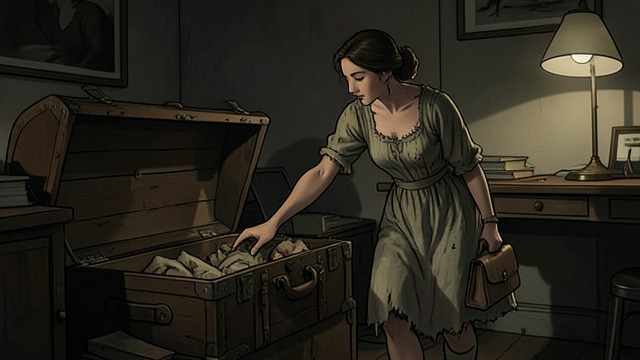
Flora’s Constrained Life
Dependence in daily life
Flora lacks independent money and resents the conditions attached to Ackroyd’s support. Her mother shares the insecurity of living on his provision.
Theft as a small rebellion
Flora takes forty pounds when she feels trapped by bills and dependence. The theft is morally serious, but distinct from the murder it briefly appears to explain.
A Fortune Passed On

A Fortune Passed On
The will revealed
Mr. Hammond explains that Flora receives twenty thousand pounds and Ralph the residue, including Fernly and the family business. Mrs. Cecil Ackroyd receives income from a smaller provision.
Motives multiply
The inheritance makes several household members seem interested in Ackroyd’s death. Poirot considers these incentives but refuses to equate financial benefit with guilt.
The Cost of Greed

The Cost of Greed
A different financial motive
Sheppard’s blackmail gains him money, but losses in speculation deepen his insecurity. He fears losing both his ill-gotten wealth and his professional standing.
Dependence becomes violence
The murder grows from greed and fear rather than a simple claim to inheritance. The novel shows money creating pressures that expose existing weaknesses rather than determining conduct by itself.
Before the murder, during the household’s established routine
Before the murder, during the engagement crisis
Before the murder, while she lives at Fernly
The day after the murder
Near the ending, in Poirot’s reconstruction
